Wedding Music for a Destination Wedding in Scotland: A Complete Guide
Wedding Music for a Destination Wedding in Scotland: A Complete Guide
Scotland is unlike anywhere else in the world for a wedding. Whether you’re exchanging vows on a windswept hillside in Glencoe, inside a centuries-old castle in the Highlands, or at a clifftop estate overlooking the Atlantic, the setting does something to the atmosphere that’s hard to put into words. The landscape is dramatic, the light is extraordinary, and the whole experience tends to feel more alive and more emotional than a wedding in a conventional venue.
Music is a big part of why that is. And if you’re planning a destination wedding in Scotland, getting the music right deserves just as much thought as the venue, the florals, or the photography. Scotland has a remarkable pool of talent to draw from, and you can browse some of the best wedding bands in Scotland to get a sense of what’s available before diving into the details below.
This guide walks through everything you need to know, from ceremony acoustics to the magic of a ceilidh, so you can make the best decisions for your day.
Start With the Setting
Before thinking about genres or band sizes, think about where the music will actually be played. Scotland’s most beautiful wedding venues come with some real acoustic considerations.
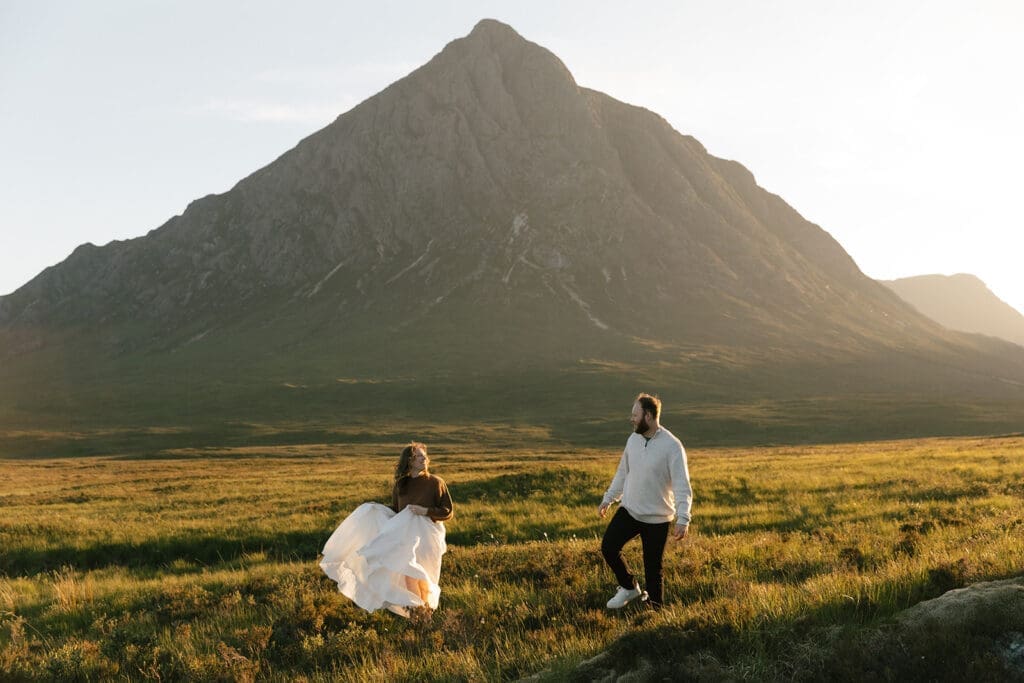
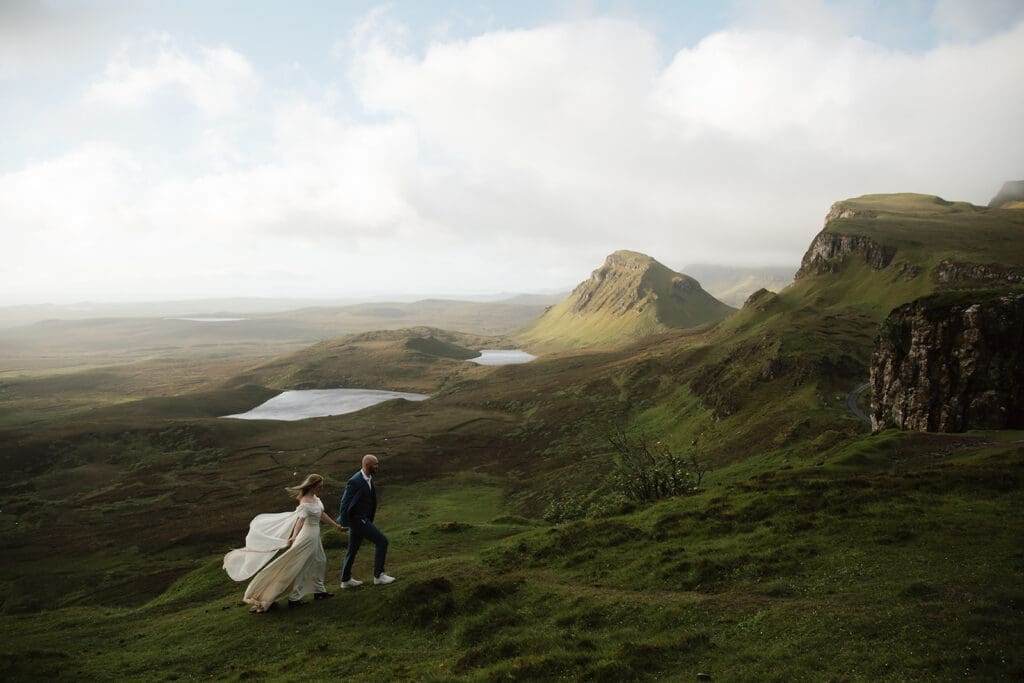
Outdoor ceremonies at exposed locations like the hillsides around Glen Etive or the moorland settings common across Skye and Perthshire can be surprisingly challenging for sound. Wind is the main enemy. String quartets and acoustic duos can struggle in open-air conditions, so it’s worth discussing amplification with your musician or band well in advance. A good sound engineer makes a significant difference here.
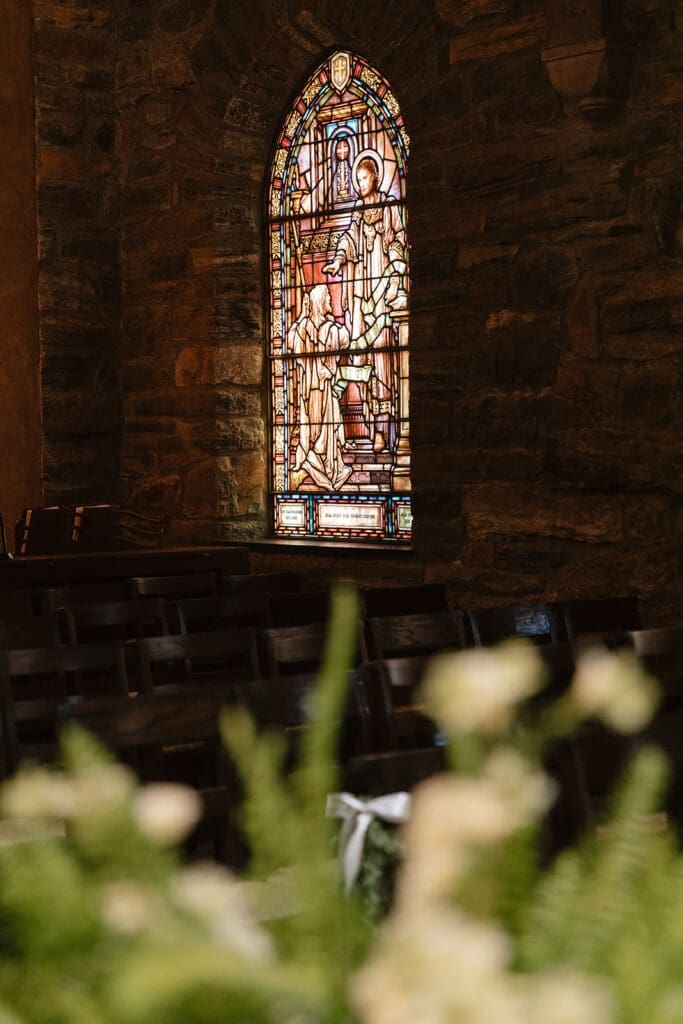
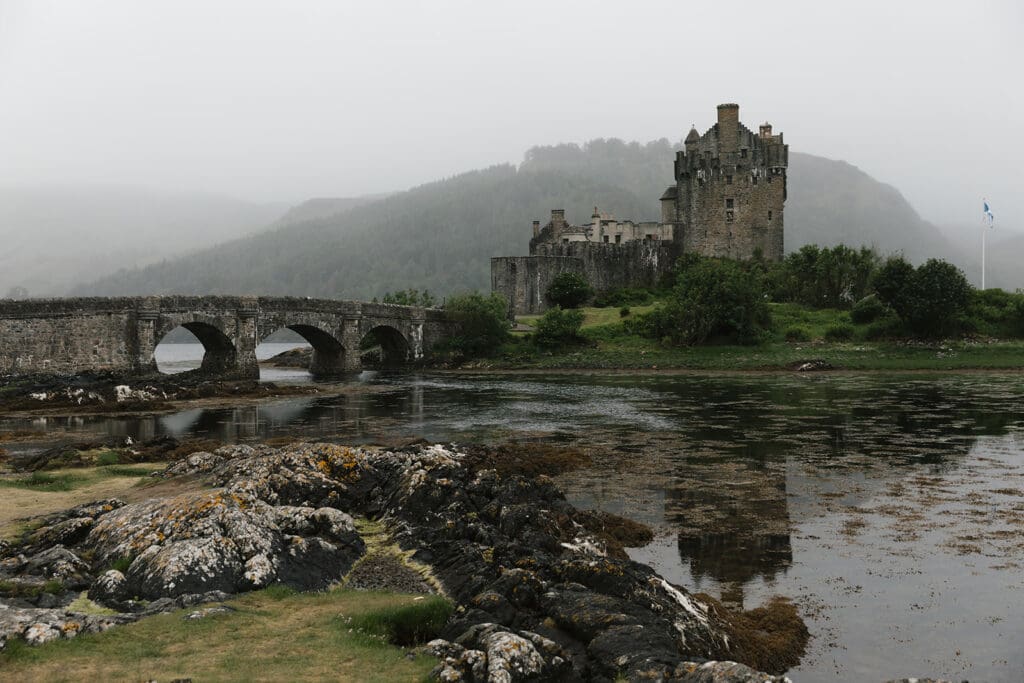
Historic castle and estate venues often have stone walls, high ceilings and natural reverb that suit acoustic instruments beautifully during the ceremony, but that same reverb can make a loud band feel overwhelming in the evening. Ask your venue about any sound limiters in place, as many historic properties have restrictions that bands need to work within.
Marquees and temporary structures sit at the other end of the spectrum: they’re acoustically dead, which means sound doesn’t carry naturally. A PA system is essential, and a band with proper production will sound far better than one relying on minimal equipment.
The Ceremony: Setting the Tone
For most couples, the ceremony is where the music matters most emotionally. The walk down the aisle, the signing of the register, the recessional: these moments are tied to music in a way that guests remember for years.
In a Scottish setting, a few options consistently work well:
A solo piper is one of the most iconic choices for a Scottish destination wedding, and for good reason. The sound of bagpipes carrying across an open landscape is genuinely spine-tingling. Many pipers will play guests in, pipe the couple down the aisle, and then play outside during the drinks reception. It’s a deeply atmospheric choice that connects the ceremony to the landscape around it.
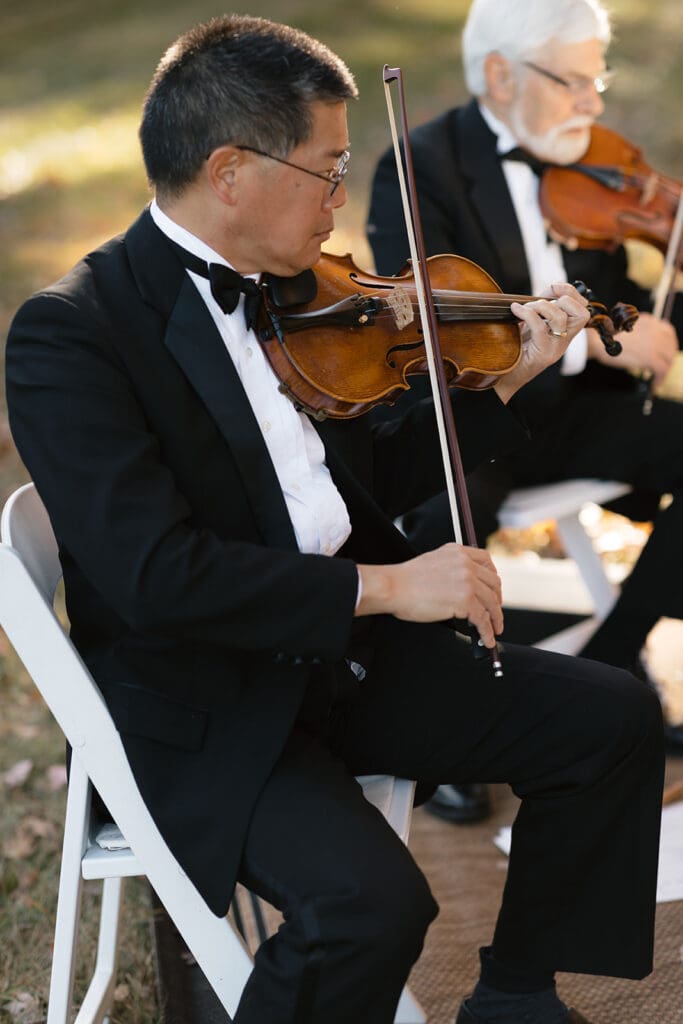
A string quartet works beautifully in more formal or indoor settings. They can cover everything from classical pieces to modern pop arrangements, and they add an elegance that suits grand venues like Hopetoun House or Dundas Castle particularly well.
A solo acoustic vocalist or guitarist tends to suit more relaxed, intimate ceremonies, elopements especially. They can adapt quickly, take requests, and create a warmth that larger ensembles sometimes can’t.
The Drinks Reception: Keeping it Relaxed
The drinks reception is your opportunity to set the mood before the evening kicks off. This is the moment guests arrive at a new space, start to relax, and begin talking to each other. Music should enhance that, not dominate it.
A jazz trio, an acoustic duo, or a solo guitarist playing background music tends to work much better here than anything too loud or upbeat. Many of the larger wedding bands offer a smaller acoustic or jazz configuration for the drinks reception, which can be a cost-effective way to have live music throughout the day without hiring multiple acts.
The Evening: Where Scotland Does Something Special
This is where a Scottish destination wedding has a genuine edge over almost anywhere else: the ceilidh.
A ceilidh (pronounced “kay-lee”) is a traditional Scottish social gathering built around folk music and group dancing. If you’ve never been to one, the best way to describe it is: impossibly fun, regardless of age or dancing ability. A good ceilidh band will have a caller who guides guests through each dance, so no experience is needed. Within about twenty minutes, everyone from the grandparents to the kids will be on the floor, red-faced and laughing. If you’re exploring options, this list of the best ceilidh bands in Scotland is a great place to start.
For a destination wedding with guests flying in from overseas, a ceilidh is often the thing they talk about for years afterward. It’s participatory in a way that a conventional wedding reception simply isn’t.
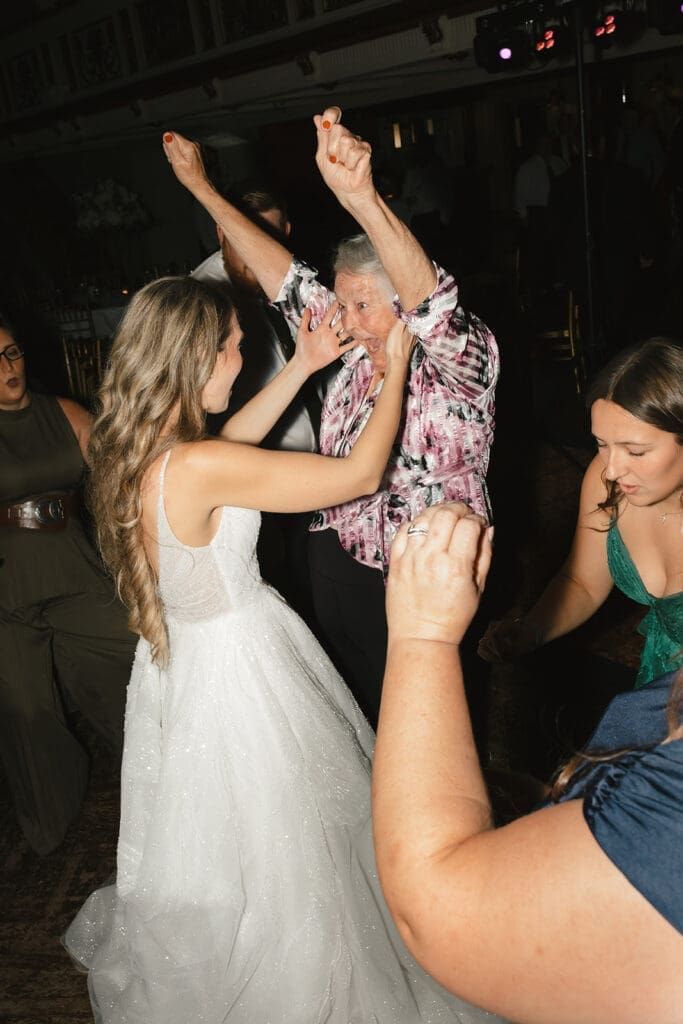
Many couples choose to split their evening: one or two sets from a covers band playing pop, soul or indie, with a ceilidh set woven in, usually after dinner when everyone is warmed up. This hybrid approach gives you the best of both worlds, and plenty of Scottish bands are set up to offer exactly this.If you want to book a band for your Scotland wedding, FixTheMusic is a free platform that makes it easy to browse, compare and book wedding bands across Scotland, from ceilidh specialists to full-production soul and pop acts. Their Scotland roster includes some of the most in-demand bands in the country, with verified reviews from real couples.
Key Questions to Ask Your Band
When you’re in conversation with a potential band, a few questions are worth asking specifically in the context of a Scottish destination wedding:
- Can you perform outdoors? Not all bands can, and even those that can will need shelter and a solid power supply.
- Are you experienced with sound limiters? Many Scottish castle and estate venues have strict noise restrictions.
- Do you offer a ceilidh set, or just covers? For a destination wedding, this is often the difference between a great evening and an unforgettable one.
- What’s your setup and teardown time? Remote Highland venues can mean long travel days for bands, so build this into your timeline.
Can you learn our first dance? Most professional bands will learn one song on request. Confirm this early.
A Note on Timing and Logistics
Scotland’s remoteness is part of its appeal, but it does add logistical complexity for musicians. Bands travelling to venues in the Highlands, on the islands, or in more remote parts of Perthshire or Argyll will typically need to factor in travel and sometimes accommodation, costs that are passed on. Budget for this early, and don’t be surprised if quotes for remote venues are higher than for Edinburgh or Glasgow-based events.
On the flip side, the further you are from a city, the more the music becomes the beating heart of the evening. There are no nearby bars to drift off to, no background city noise competing for attention. The band is the night, and that’s a lot of pressure to get it right, which is all the more reason to choose carefully.
Scotland has a way of making everything feel more significant. The light, the landscape, the sense of history in even the newest venues: it all adds up to something that couples feel deeply on the day. Music, chosen well, leans into all of that. Whether it’s a piper playing you down the aisle with mountains behind you, or a full ceilidh band getting three generations of guests onto the floor at midnight, the right music doesn’t just accompany a Scottish wedding. It completes it.